Unravelling A Dream within a Dream
My review of this satirical Cdrama fantasy.
My first impressions can be found here:
 Nomad Noona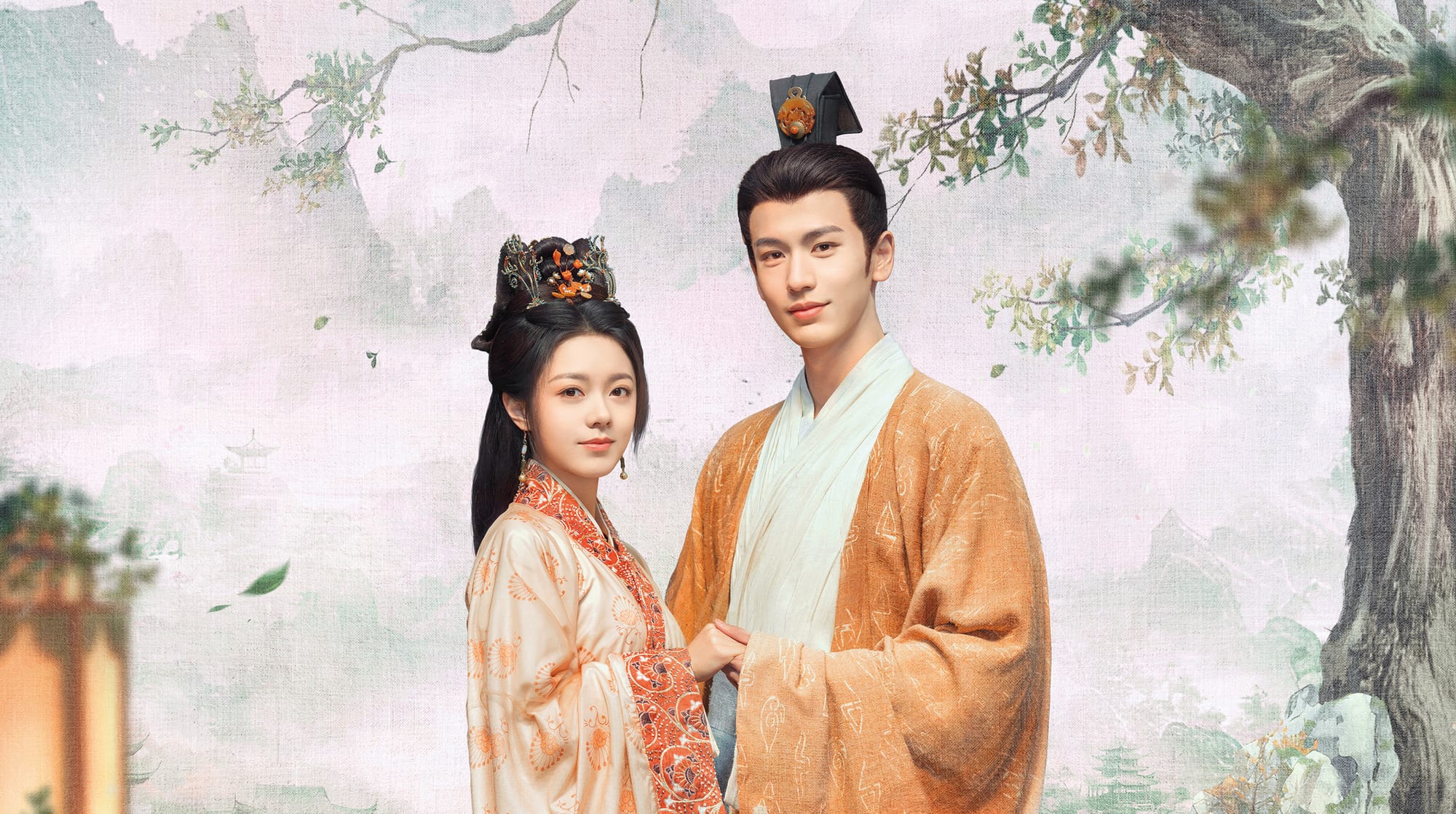
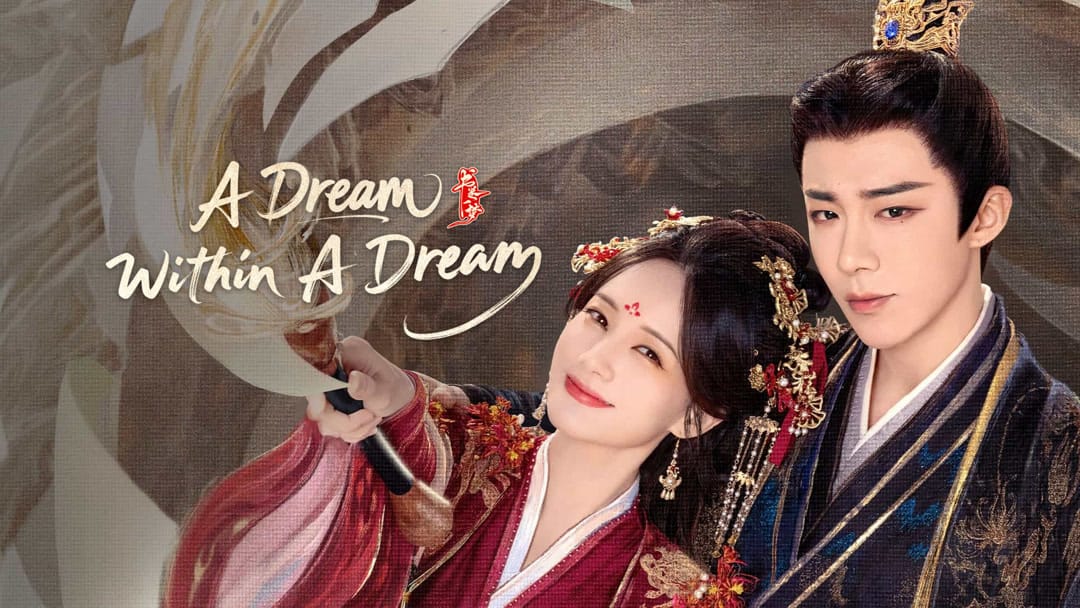
My initial impression of A Dream Within a Dream was fairly lukewarm, it wasn't until around episode 16 that the plot truly began to unfold and capture my interest. The early storyline largely consisted of a prolonged "enemies to lovers" build-up, characterized by a series of slapstick mishaps and misunderstandings between the two leads, as our heroine, Song Yi Meng attempts to navigate the fictional world. These comedic elements fell flat for me, though the pre-wedding trials were amusing and I enjoyed the scenes where Liu Yu Ning's Prince Nan Heng being "forced" by an unknown power to protect the female lead in life-threatening situations.
Li Yi Tong's portrayal of Song Yi Meng, as an impulsive and naive that gradually becomes more "cunningly smart" is a common trope in historical C-dramas; wisely leveraging her foreknowledge of future events to protect herself and her loved ones from the script's impending demise. It was fun to watch this character growth, as early on her actions felt purely reactive and outlandish, so it was entertaining to see her approach became more thoughtful and strategic as the story evolves.
Prince Nan Heng, on the other hand, began as a seemingly deliberate caricature of a cold, unfeeling villain - dubbed the "God of Death" and moonlighting as Li Shi Liu, leader of the Nightwalkers (a collective of outcast martial artists). It isn't until much later on, that we gain a deeper emotional insight into his character, revealing a man burdened by trust issues who's been partly shaped by his abuse from his father, the Emperor, and mistreatment by his brother, Prince Nan Rui.
I loved the supporting cast, they added depth and humor to the main characters' arc, I particularly enjoyed the silent stoicism of Prince Nan Rui's bodyguard, Ji Xiang and the chaotic trio of Nightwalkers: Duan Shan Hu, Rong Hui, and Po Yun Long.
Despite it being mostly entertaining and light-hearted, there are a couple of points that I found frustrating with the story. A major plot point is introduced in episode 30, with the unexpected introduction of the screenwriter character entering the fictional world to take control of the narrative. Although this was an interesting shift, it also confused me, as the "rules" of the script within the drama became openly inconsistent, making the entire story feel a bit messy and harder to follow. Furthermore, a persistent frustration was the lack of clarity regarding the female lead's ultimate goal. Was she trying to stay in this world? Escape back to her real life? For a 40-episode journey, the ending felt rushed with major conflicts being resolved far too quickly - characters like the King and Prince Rui, who had harbored intense hatred towards Prince Nan Heng, seemed to reconcile their differences overnight with little build-up or explanation.
The true conception of this story lies in its intriguing exploration of a fictional world existing within our own, making us question if we have our own pre-written destiny; unfortunately, this fascinating meta-narrative is only briefly touched upon in the last couple of episodes. This drama, at its heart, foregoes deep plots and profound emotional arcs and instead thrives largely as a satirical piece that is light on substantial plot development. A light-hearted escape with some genuinely funny moments and a moderately interesting "other world" trope.
| Scoring | |
|---|---|
| Story & Script | 7 |
| Casting & Acting | 8 |
| Cinematography & Visuals | 7 |
| Sound & Music | 5 |
| Enjoyment & Re-watchability | 7 |
| Overall Rating | 7 |